Real Estate Trends Buyers Need to Know in 2026
As the real estate landscape continues to evolve, staying informed about current trends is crucial for prospective buyers. Understanding these shifts can empower you to make well-informed decisions in a dynamic market. For those seeking expert guidance in the Lake Tippecanoe IN real estate experts Deb Paton Showley Group offers unparalleled service. With deep roots in the community and extensive experience in Kosciusko County’s real estate market, they are well-equipped to assist buyers and sellers alike.
Table of Contents
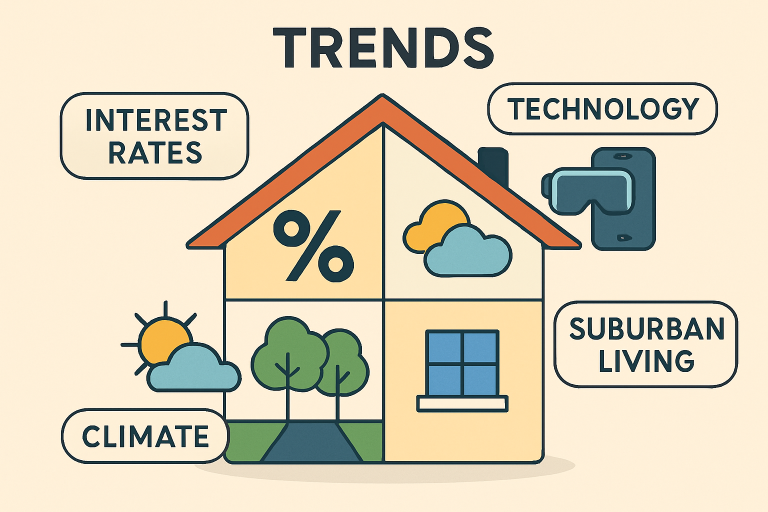
Fluctuating Interest Rates
Interest rates have been rising, affecting buying power. Potential buyers are looking to lock in rates before they climb higher, creating a sense of urgency in the market. Mortgage rates are expected to trend downward throughout 2026. Fannie Mae forecasts rates in the upper 6% range, potentially dropping to 6.5% by year-end. The Mortgage Bankers Association predicts rates could fall to 6.1% by the end of 2026. The trajectory of mortgage rates will depend on the Federal Reserve’s actions regarding the federal funds rate. A reduction in the federal funds rate could lead to lower mortgage rates.
Embracing Technology in Home Buying
The digital revolution has transformed house hunting from a physically demanding task to a virtual experience. Buyers in 2026 are leaning towards realtors who offer immersive virtual tours, detailed online listings, and instant communication channels. This trend underscores the importance of a strong online presence for realtors, highlighting the need to invest in virtual tour technologies and digital marketing strategies.
Climate Change and Property Values
Real estate websites are increasingly incorporating climate change data into home listings to meet growing consumer demand for environmental risk information. According to a Zillow survey, over 80% of prospective homebuyers consider climate risks, such as flooding, heat, wind, and air quality, when evaluating properties. Realtor.com, a pioneer in this space, has expanded its listings to reflect these risks, using data from the First Street Foundation. A recent report reveals that nearly 45% of U.S. homes face severe or extreme environmental threats. Experts emphasize the importance of transparency in climate data to help consumers make informed and financially sound home-buying decisions. While climate risks aren’t the sole factor in real estate choices, there’s growing interest in homes with modifications to withstand extreme weather, suggesting climate resilience is becoming a significant consideration in the housing market.
Shift Towards Suburban Living
The shift from urban to suburban and secondary markets, accelerated by the pandemic, shows no signs of slowing down. Buyers, especially millennials and Gen Z, are increasingly seeking more space, affordable pricing, and a higher quality of life outside major city centers. This trend is driving up home prices and competition in suburban and smaller markets, making them hot spots for real estate investment. For sellers, this presents an excellent opportunity to capitalize on the high demand in these areas.
Rising Home Prices and Inventory Challenges
As we step into 2026, we’ll notice major changes in the real estate industry. Among future real estate industry trends, surging home prices and ongoing inventory constraints are taking center stage. The housing market will experience a notable upswing, with home prices soaring 2.6%, according to NAR. This upward trajectory will intensify competition among buyers, often leading to multiple offers on properties. Naturally, rising costs affect the rental market and retail space occupancy. Still, even with a housing crisis going on, and local investors finding it hard to secure a winning strategy, the housing supply dictates. Data shows that housing costs and demand are rising. One of the most significant challenges facing buyers in 2026 is the limited housing inventory. This challenge comes amid a historical low in housing inventory, down 13.6% from the previous year.
Increased Demand for Multi-Functional Spaces
As remote and hybrid work models become the norm, homebuyers are increasingly prioritizing properties with multi-functional spaces. Rooms that can serve as home offices, gyms, or study areas are in high demand. Open floor plans that offer flexibility and adaptability are also trending, as buyers look for spaces that can easily accommodate changing needs. This shift is influencing both new construction and renovations, with builders and designers focusing on creating versatile, multi-purpose spaces to meet this growing demand.
Conclusion
Staying abreast of these trends will equip buyers with the knowledge needed to navigate the 2026 real estate market effectively. By understanding the impact of interest rates, technological advancements, climate considerations, and shifting preferences, you can make informed decisions that align with your goals.