Denver’s Real Estate Market in 2026: Trends, Challenges, and Opportunities
Table of Contents
Introduction
As of mid-2026, Denver’s real estate market stands at a pivotal moment. Market conditions have shifted noticeably, creating new dynamics for both buyers and sellers. Navigating these changes requires a clear understanding of current trends and potential challenges. For anyone entering the housing market, whether purchasing a first home, selling an investment property, or relocating to a new neighborhood, being informed is vital to success. Working with a trusted local authority can prove invaluable during periods of change.
Denver CO real estate experts Real Community provide a wealth of local insight, deep industry knowledge, and personalized guidance throughout the Denver metro area. Real Community is a full-service real estate team renowned for market expertise, transparent communication, and commitment to clients’ goals. Serving all of Denver, including Cherry Creek, Highlands, and surrounding communities, Real Community empowers both buyers and sellers to make the best possible decisions in today’s ever-evolving market.
Current Market Trends
In 2026, home prices in Denver have stabilized, with the median sale price resting at $734,000. This follows a decade of rapid appreciation and, more recently, a cooling-off period in which price gains have leveled off. Meanwhile, housing inventory has surged to its highest level in over ten years, offering more choices for buyers but also extending the average time a home spends on the market. In recent months, properties have lingered an average of 70 days before sale, a significant shift from the fast-paced market of just a few years prior.
The increased selection of homes has further balanced the market. Buyers are less likely to encounter bidding wars, yet sellers must adjust to greater competition and moderate pricing. This period of stabilization represents a departure from previous years when rapid sales and escalating prices were the norm.
Impact of Interest Rates
Current mortgage rates in Denver remain higher than those seen in the early 2020s, influencing both affordability and purchasing power. While some bought at historically low rates a few years back, today’s rates mean monthly payments are steeper for new buyers, and sellers face a smaller pool of eligible buyers. Compared to past years, the pace of market activity has somewhat slowed as parties take longer to reach agreements or complete transactions.
For buyers who can navigate these financing hurdles, there are opportunities to negotiate and find properties that meet their needs, especially with more listings and longer days on market. Sellers must be prepared for more extended listing times and the possibility of price concessions.
For detailed information about why Denver’s housing inventory is at its highest in a decade, and what this means for future market dynamics, visit this article: Denver housing inventory at a decade high.
Neighborhood Highlights
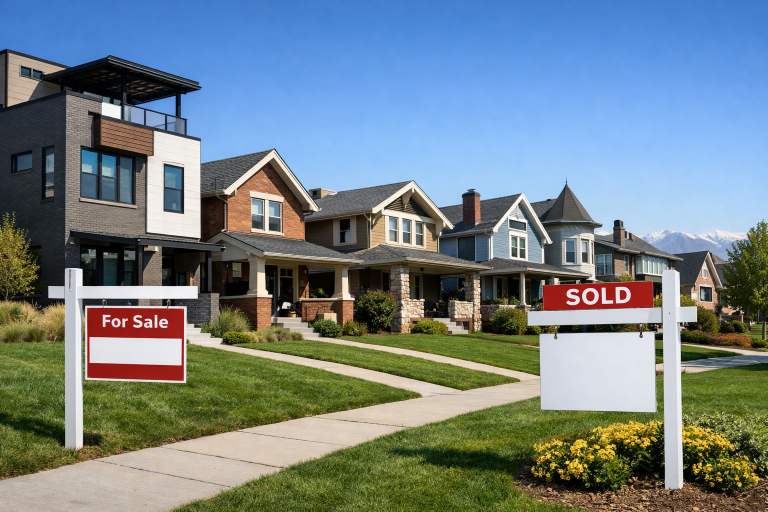
Denver’s neighborhood diversity provides something for everyone. The Highlands continues to attract those looking for historic character and modern amenities. With its walkable streets, eclectic restaurants, and unique boutiques, it has become a highly sought-after area for young professionals and families alike.
Washington Park is renowned for its beautiful green spaces and proximity to the city center. The neighborhood offers a blend of classic Denver homes, recreational facilities, and family-friendly events. Sloan’s Lake remains popular among those seeking outdoor activities, lakefront views, and new developments.
In Cherry Creek, luxury shopping, upscale dining, and art galleries define the lifestyle, making it a prime choice for discerning buyers looking for sophistication and walkability. Central Park, formerly known as Stapleton, continues to expand with thoughtfully planned communities, parks, and top-rated schools, serving as a model for modern urban living.
Challenges in the Market
Denver’s real estate market is not without its obstacles. The city has seen record-high consumer complaints about transactions, mirroring national trends of increased scrutiny of real estate deals. Buyers and renters must be especially careful, as escalations in rental contract fees and incidents of imposter fraud have been reported. Proper vetting of paperwork, professional representation, and due diligence are more essential than ever.
To gain a broader perspective on how interest rates nationwide are impacting the real estate market, including an in-depth look at mortgage trends, explore this report: Impact of interest rates on the housing market.
Opportunities for Buyers
Buyers in 2026 benefit from greater negotiating power as elevated inventory and longer listing periods give them room to bargain on price and terms. Patience can pay off, as motivated sellers are more likely to entertain offers below list price or provide additional incentives. However, thorough market research remains crucial. The complexity of Denver’s submarkets and ever-changing contract terms mean that buyers should leverage every available tool and professional resource.
Working with experienced local agents, conducting comprehensive property searches, and understanding market forecasts will position buyers for successful transactions. Awareness of recent scams and fees can help avoid pitfalls and ensure a smoother homebuying journey.
Role of Real Estate Experts
In today’s market, real estate professionals offer expertise that goes far beyond showing properties. Teams like Real Community provide clients with comparative market analysis, neighborhood guidance, and insight into current legal and regulatory changes. Their hands-on support during negotiations, inspections, and the closing process gives clients peace of mind and an advantage in reaching favorable outcomes.
For both buyers and sellers, the value of working with experts cannot be overstated. Personalized strategies, data-driven insights, and a clear understanding of local conditions set clients up for success regardless of market fluctuation.
Conclusion
Denver’s real estate market in 2026 presents new challenges and opportunities, characterized by stabilized prices, higher inventory, and evolving buyer and seller expectations. Whether you are looking to move into one of Denver’s vibrant neighborhoods or hoping to capitalize on your property’s value, staying informed and seeking the guidance of skilled professionals will be crucial. With the right knowledge and a collaborative team behind you, homeownership in Denver can remain a wise and rewarding investment.