
Word Counter for Bloggers: How Length Impacts Search Rankings
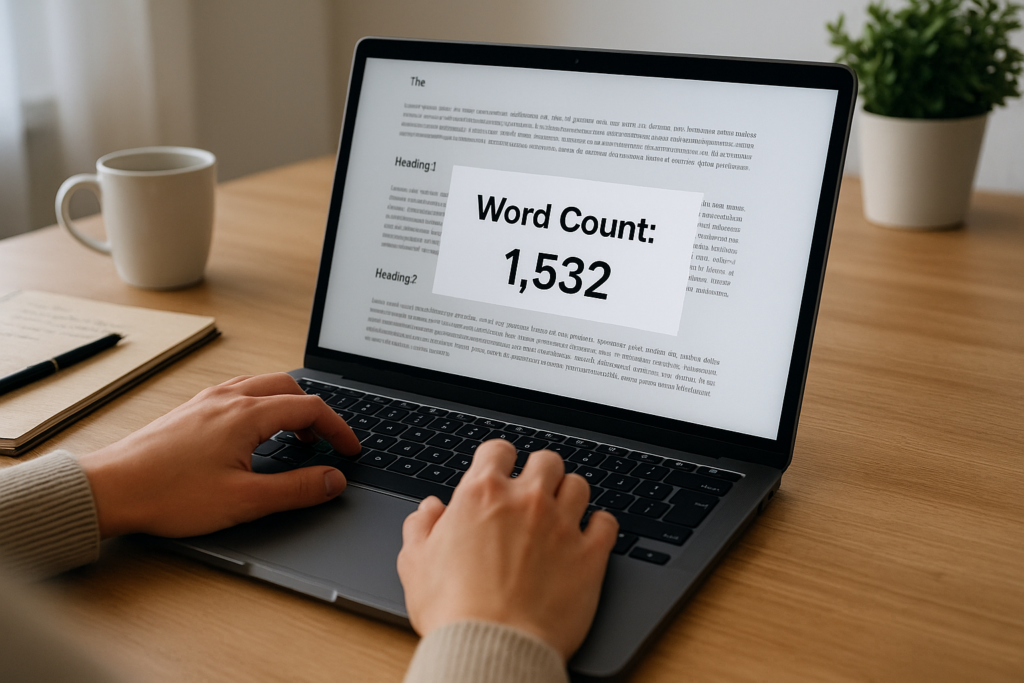
Bloggers talk a lot about topics, keywords, and links. Many skip one basic factor that plays a much bigger role than people expect: content length. A good word counter becomes useful at this point because it gives writers a clear sense of structure before a post goes live. Search engines study length and readers react to length. Even editors base their workflow around it.
A post that is too short often misses key details. A post that goes too long sometimes loses readers. Accurate counting helps avoid both issues. Strong blogs depend on clear limits because limits push writers to explain ideas in a balanced way. That balance can raise visibility in search results.
Table of Contents
- Why Length Matters More Than Most Bloggers Think
- How a Word Counter Helps Planning
- Where Counting Supports SEO Strategy
- How Length Influences Readability
- Why Bloggers Should Set Length Targets Before Writing
- Where New Tools Fit into the Writing Workflow
- How Bloggers Can Use Counts to Improve Older Posts
- Final Thoughts
Why Length Matters More Than Most Bloggers Think
Search engines use many signals to understand a page. Length is one of those signals. Longer pages usually cover a topic with more depth, which helps search systems decide that the content matches user needs. Short pages sometimes fail to build trust. Long pages sometimes look bloated. A balanced length gives writers space to add examples, sources, and context without tiring readers.
Traffic studies show a strong link between length and ranking. High-ranking posts often sit between clear ranges. These ranges shift by niche. A word counter helps writers stay within the range that fits the intent of the reader. Content teams also rely on counting tools to keep each page aligned with the website structure. That structure helps writers stay consistent across many posts.
How a Word Counter Helps Planning
A clear plan starts with a clear target. Writers tend to work faster when they know the scope. A thoughtful outline becomes easier because each section gets a rough limit. The tool keeps the writer focused. A wandering draft becomes obvious once the count grows too fast.
Editors use counting tools to judge if a page meets internal rules. Some brands prefer short guides. Others want long explainers. A reliable word counter helps maintain that style across many writers. It also helps prevent content gaps. If a section is far too short, the writer can expand ideas before sending the draft forward.
Where Counting Supports SEO Strategy
Search engines check depth before they assign higher positions. A post without enough information may fail to answer search intent. Counting gives teams a quick way to check if each topic has enough space to explain the idea.
A mid-range count often works best for competitive queries. Complex topics need more detail but simple topics need less. Writers who track length see patterns. These patterns help them design posts that perform well over time. It becomes easier to compare past winners with new ideas.
An AI detector, a summarizer, and a paraphrasing tool may help with editing tasks, but the length itself depends on the writer. A clear count keeps the editing process smoother because the team knows the baseline before adjusting style, tone, or flow.
How Length Influences Readability
Readers do not enjoy walls of text. They also dislike thin content that says very little. A good count helps writers find the middle ground. With a target in mind, each section can be shaped with steady pacing. Readers then move through the content at a comfortable speed.
Long paragraphs can push people away because the screen fills too fast. Short paragraphs without depth can frustrate readers. A balanced count across sections helps reduce bounce rates. Lower bounce rates can lift search rankings because search engines view the page as helpful.
Many writers use a grammar checker to clean up sentences once the length is set. Others use a summarizer to refine long passages. Tools like that help tighten the writing without changing the overall structure that the word counter helped shape.
Why Bloggers Should Set Length Targets Before Writing
Ideas grow in many directions. A target gives the writer control. A solid plan helps avoid rambling. It also makes research easier because the writer knows how much detail the post needs.
Clear limits help bloggers avoid padding. Padding hurts rankings. Many posts fall because writers chase a high count without giving useful information. Planning prevents this mistake. Writers with a target tend to build stronger outlines. Strong outlines lead to clear sections. Clear sections bring more readers.
SEO teams also work faster when drafts follow a planned count. Editors can quickly scan the structure and see if the title, intro, and body match the search intent. This saves time across the entire production line.
Where New Tools Fit into the Writing Workflow
A paraphrasing tool can refresh lines that sound stiff. A summarizer can trim long blocks once the main ideas are locked in place. A grammar checker can clean up flaws. These tools support the writer, but the length stays controlled by the word counter.
A smart workflow often looks like this:
- Plan the post with a target range.
- Draft the structure.
- Track length as the draft grows.
- Edit for clarity with other tools.
- Run an AI detector to confirm originality.
- Finalize the post once the length falls inside the chosen range.
This simple process works well for solo writers and team editors.
How Bloggers Can Use Counts to Improve Older Posts
SEO is not only about new content. Older posts need updates to stay relevant. A fresh count can show gaps. Some pages underperform because they stop too early. Others slide in rankings because they stretch past what readers want. Adjusting length often revives traffic.
Editors can use a word counter to check how the post compares with top-ranking pages. If those pages have more depth, the editor adds new lines. If those pages skip long stories, the editor trims weak parts. The counter becomes a guide for the update process.
Final Thoughts
Content length matters. Search engines watch it. Readers react to it. Editors plan around it. A strong word counter helps writers stay inside the ideal range for each topic. Pairing that tool with a grammar checker, a summarizer, and an AI detector creates a cleaner workflow. With steady use, the writer produces content that ranks better, reads better, and fits the project goals with less stress.
